


Dosage & Administration
- Administration: Use the lowest effective dose for the shortest duration to control nausea and vomiting. Should be taken before meals. If taken after a meal, absorption may be delayed. Patients should take the medication at a fixed time. If a dose is missed, skip it and continue with the regular schedule. Do not double the dose to compensate for a missed one. The maximum treatment duration should not exceed one week.
- Dosage:
- Adults and adolescents (12 years or older and weighing ≥ 35kg): 1 tablet per dose, up to 3 times daily, with a maximum dose of 30 mg/day.
- Children under 12 years and adolescents under 35kg: This formulation is not recommended.
- Special Populations:
- Hepatic Impairment: Contraindicated in patients with moderate to severe hepatic impairment. No dose adjustment is needed for mild hepatic impairment.
- Renal Impairment: Due to the prolonged half-life of domperidone in severe renal impairment, a lower dose or extended dosing interval should be used depending on the severity of the condition. These patients require close monitoring during long-term treatment.
Contraindications
- Hypersensitivity to domperidone or any component of the medication.
- Patients with moderate to severe hepatic impairment.
- Patients with prolonged cardiac impulse conduction time, especially the QT interval, significant electrolyte disturbances, or pre-existing cardiac conditions such as congestive heart failure.
- Concomitant use with QT-prolonging drugs.
- Concomitant use with strong CYP3A4 inhibitors (regardless of QT-prolonging effect).
- Concomitant use with neurokinin-1 receptor antagonist antiemetics in the brain.
- Gastrointestinal hemorrhage or perforation.
- Mechanical intestinal obstruction.
- Prolactin-secreting pituitary tumor (prolactinoma).
Storage & Quality
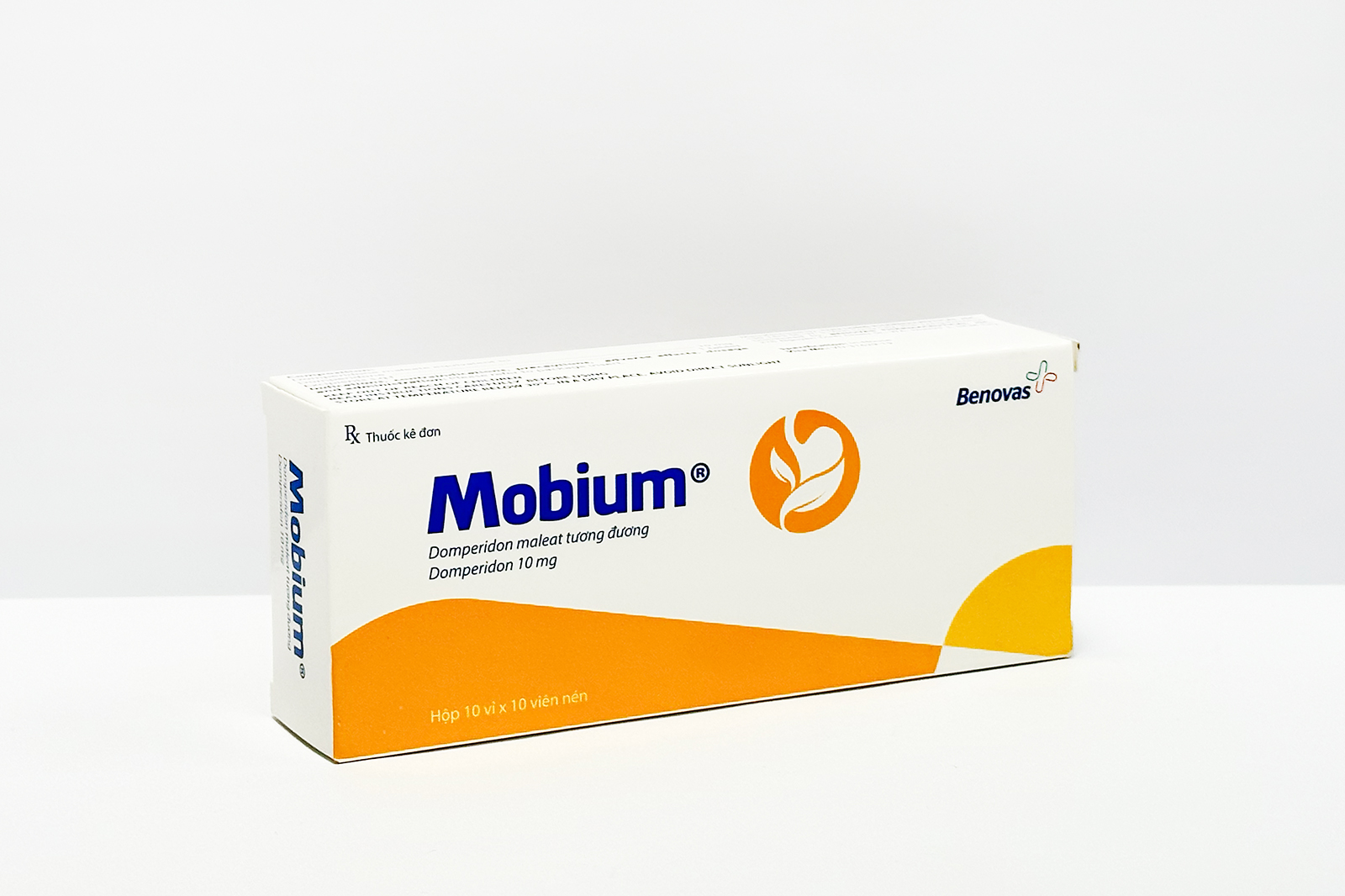
- Storage: Store in a cool, dry place at a temperature below 30°C, away from light.
- Shelf Life: 36 months from the manufacturing date.
- Quality Standard: Manufacturer’s Standard.