



- Indications & Usage:
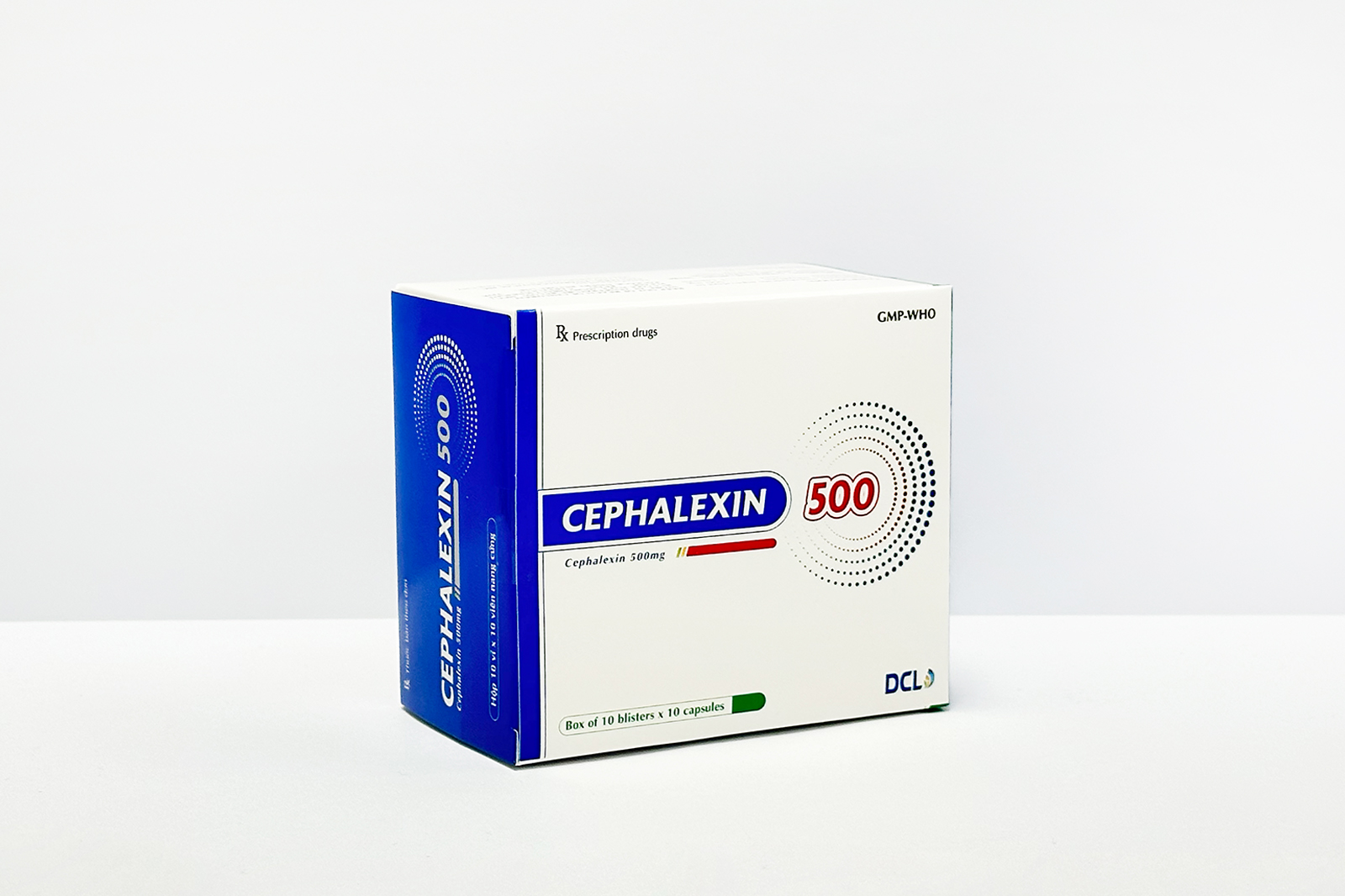
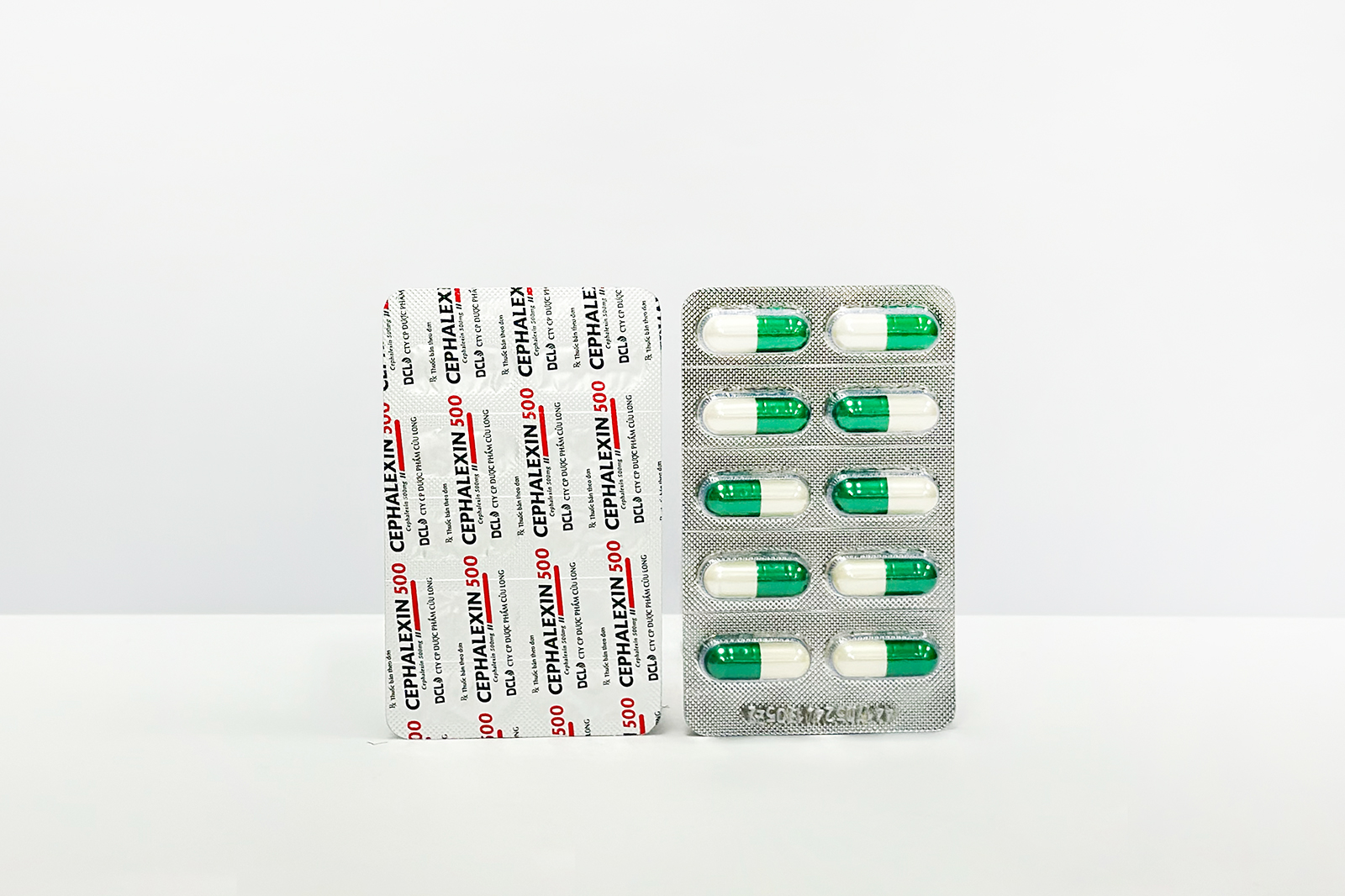
- Cephalexin is indicated for the treatment of infections caused by susceptible bacteria, but it is not indicated for the treatment of severe infections.
- Respiratory tract infections: Acute and chronic bronchitis and infected bronchiectasis.
- Ear, nose, and throat infections: Otitis media, mastoiditis, sinusitis, tonsillitis, and pharyngitis.
- Urinary tract infections: Cystitis and prostatitis. Prophylactic treatment for recurrent urinary tract infections.
- Obstetrical and gynecological infections.
- Skin, soft tissue, and bone infections.
- Gonorrhea (when penicillin is not suitable).
- Dental infections.
- Prophylactic treatment for heart patients undergoing dental procedures in place of penicillin.
- Cephalexin is indicated for the treatment of infections caused by susceptible bacteria, but it is not indicated for the treatment of severe infections.
- Dosage & Administration:
- Adults: The usual dose is 500 mg, taken every 6 hours, depending on the severity of the infection. The dose can be increased up to 4 g/day. However, for higher doses, an injectable cephalosporin should be considered.
- Note: The duration of treatment should be at least 7 to 10 days, but for complicated, recurrent, and chronic urinary tract infections, treatment should be for 2 weeks (1g/dose, twice daily). For gonorrhea, a single dose of 3 g with 1 g probenecid for men or 2 g with 0.5 g probenecid for women is usually used. Co-administration with probenecid will prolong the elimination of cephalexin and increase its serum concentration by 50-100%. To date, cephalexin has not been shown to be nephrotoxic. However, as with other antibiotics mainly eliminated through the kidneys, drug accumulation may occur when renal function is less than half of normal. Therefore, the maximum recommended dose (i.e., 6 g/day) should be reduced to be appropriate for these conditions.
- In the elderly, renal function should be assessed.
- Contraindications:
- Cephalexin should not be used in patients with a history of allergy to the cephalosporin group of antibiotics.
- Cephalosporins should not be used in patients with a history of anaphylactic shock from penicillin or other serious IgE-mediated reactions.
- Storage & Quality:
- Storage: Store in a cool, dry place at a temperature below 30°C, away from light.
- Shelf Life: 36 months from the manufacturing date.
- Quality Standard: Manufacturer’s Standard.