


- Indications & Usage:
- Treats infections caused by susceptible bacteria, but it is not indicated for the treatment of severe infections:
- Respiratory tract infections: Tonsillitis, pharyngitis, bronchopneumonia and lobar pneumonia, acute and chronic bronchitis, lung abscess, sinusitis, otitis media.
- Uncomplicated urinary tract infections: Acute and chronic pyelonephritis, cystitis, urethritis.
- Skin and soft tissue infections: Lymphadenitis, abscess, cellulitis, decubitus ulcers, mastitis, furuncles, erysipelas.
- Renal function should be evaluated in patients with or suspected of having renal impairment before using the medication.
- Treats infections caused by susceptible bacteria, but it is not indicated for the treatment of severe infections:
- Dosage & Administration:
- The duration of treatment should be at least 5-10 days.
- Administration: Dissolve the granules in water before drinking. Cefadroxil can be taken with food or milk.
- Dosage:
- Adults and children (over 40 kg): Take 500 mg – 1000 mg/dose, twice daily, depending on the severity of the infection. Or take 1000 mg once daily for skin and soft tissue infections and uncomplicated urinary tract infections.
- Children (under 6 years): Cefadroxil 500 mg capsules should not be used; an oral suspension formulation should be used instead.
- Hepatic Impairment: No dose adjustment is needed.
- Elderly: Renal function should be checked, and the dose should be adjusted as in patients with renal impairment.
- Renal Impairment: Treatment can be started with an initial dose of 500 mg-1000 mg cefadroxil.
- Contraindications:
- Cefadroxil should not be used in patients with a history of allergy to the cephalosporin group of antibiotics.
- Storage & Quality:
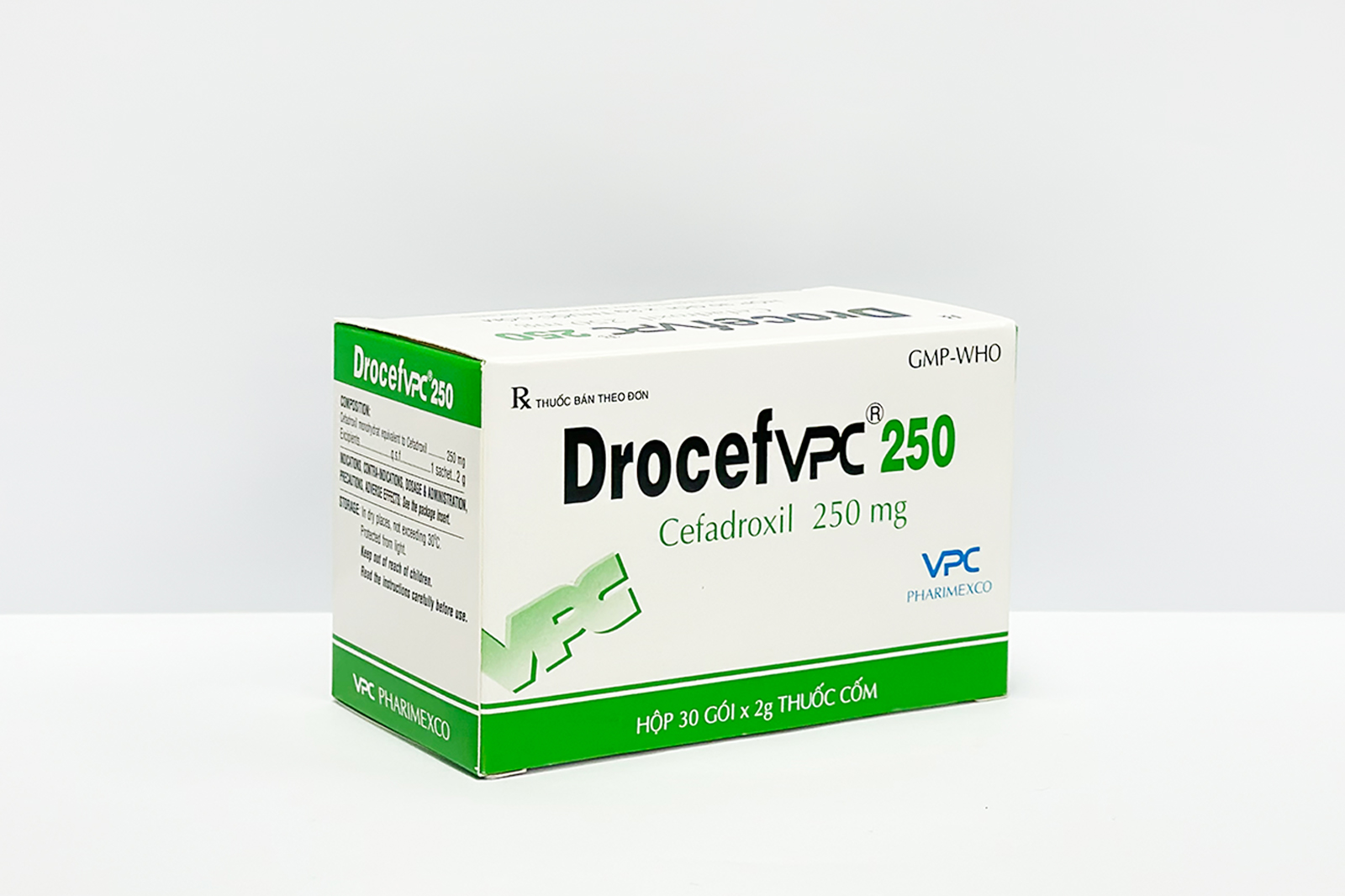
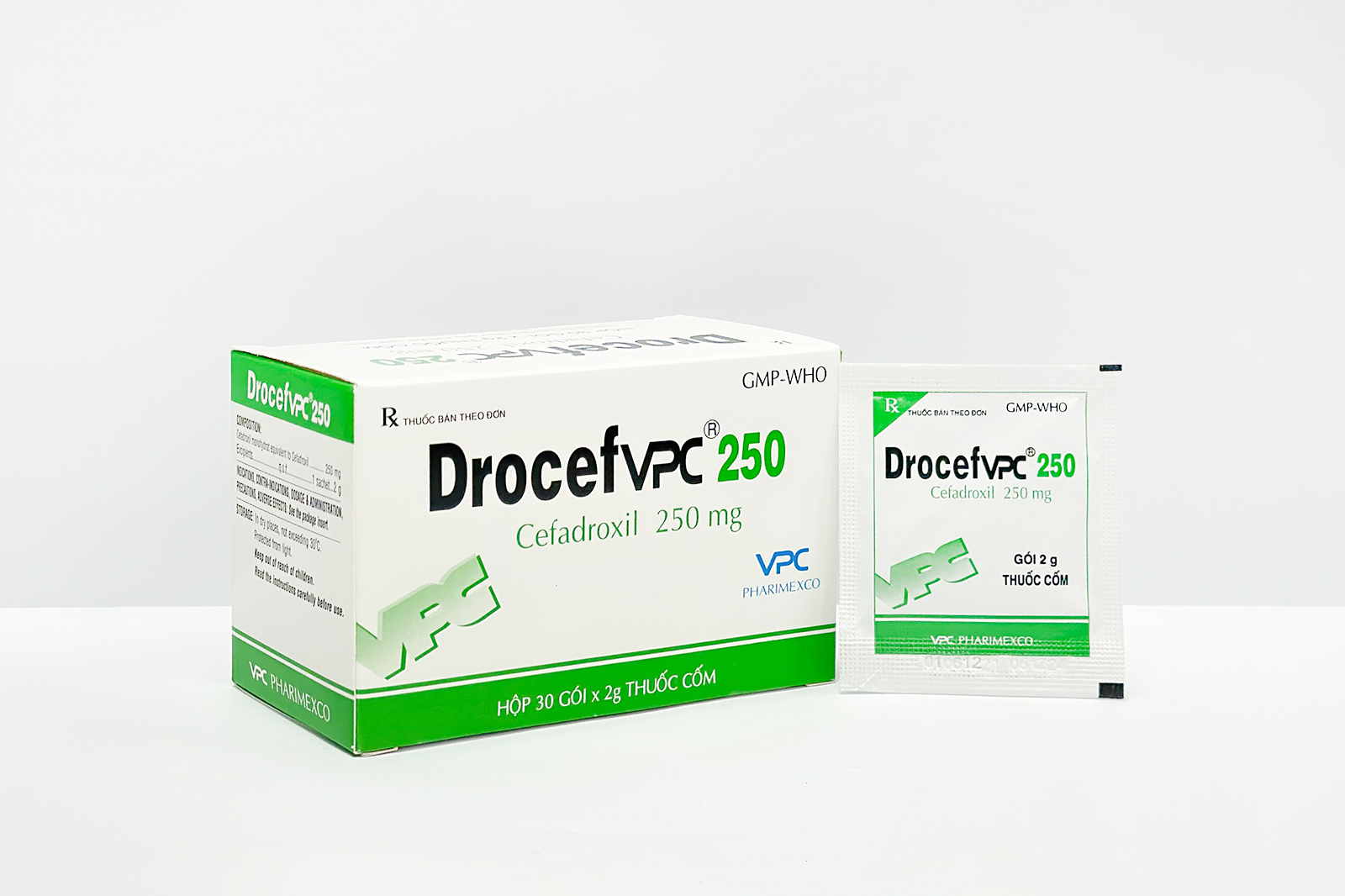
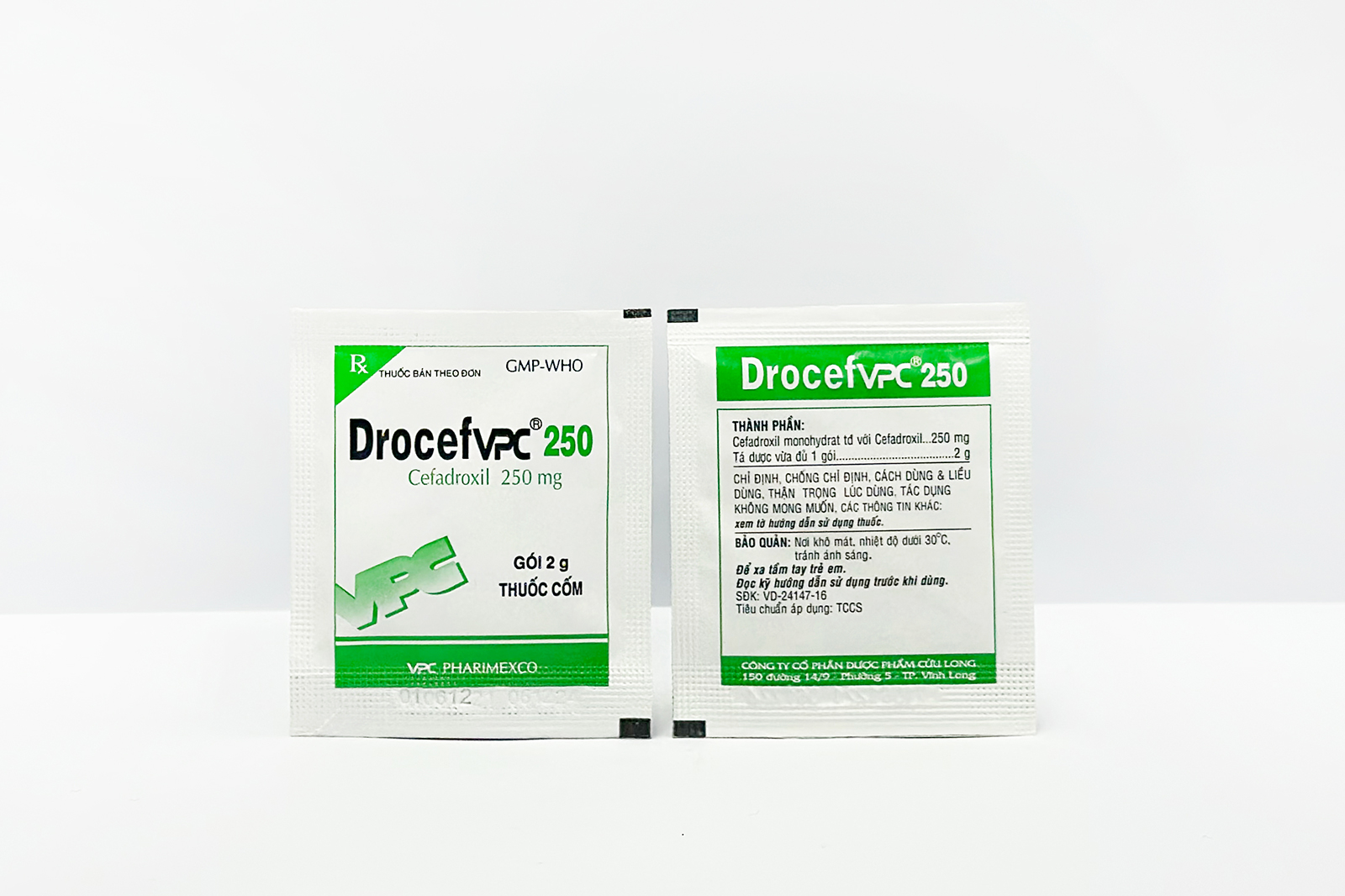
- Storage: Store in a cool, dry place at a temperature below 30°C, away from light.
- Shelf Life: 36 months from the manufacturing date.
- Quality Standard: Manufacturer’s Standard.