


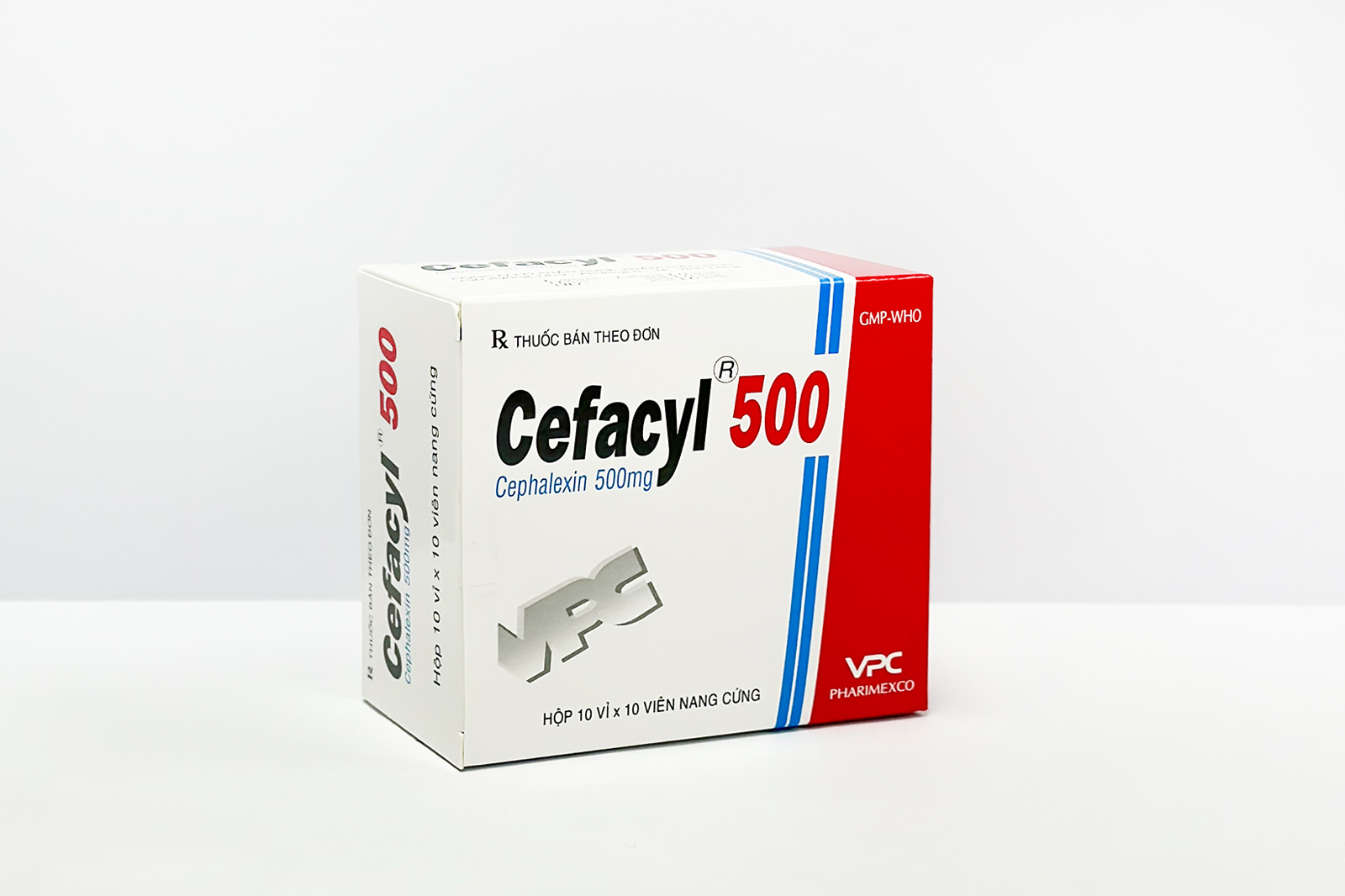
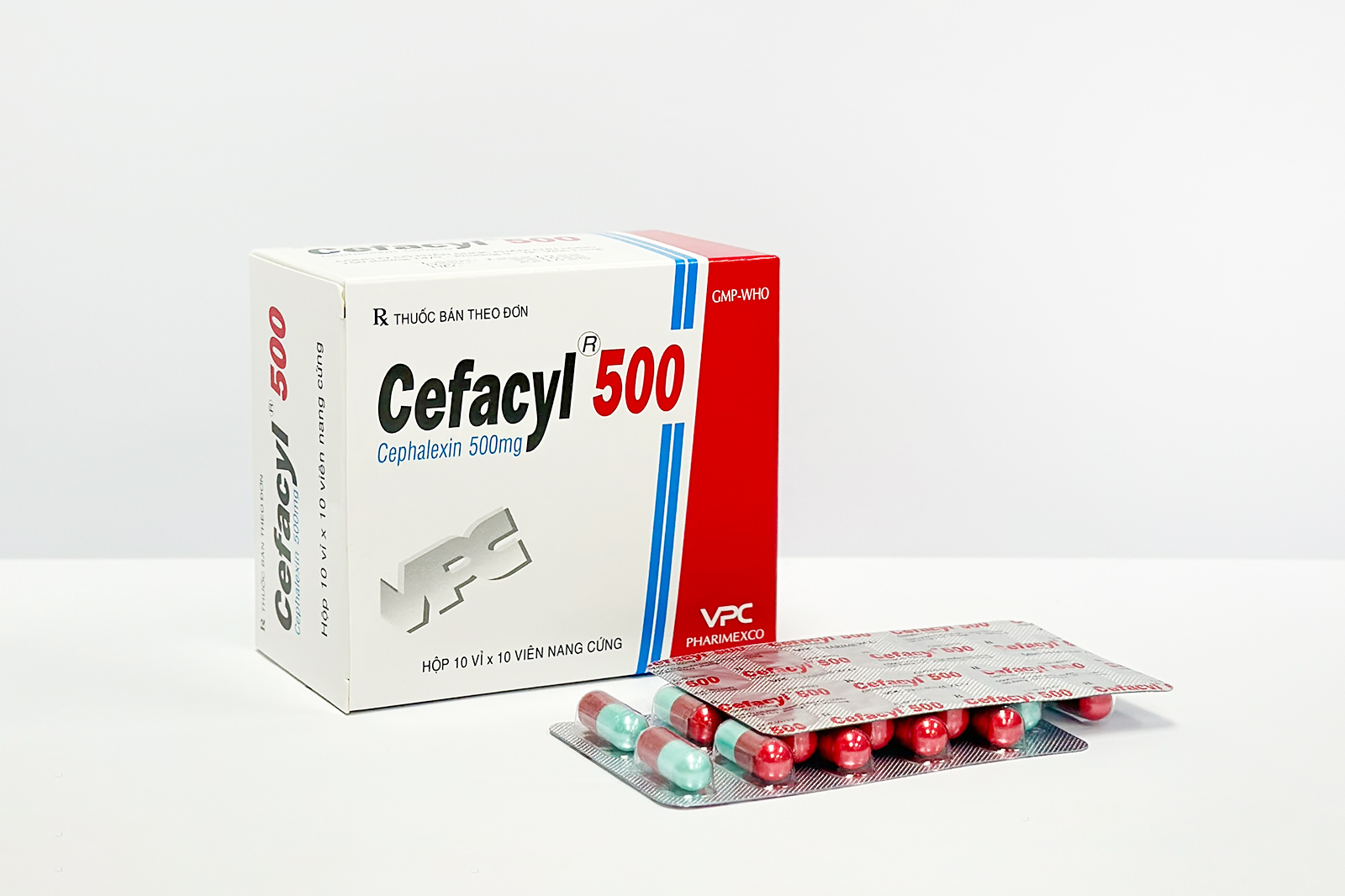
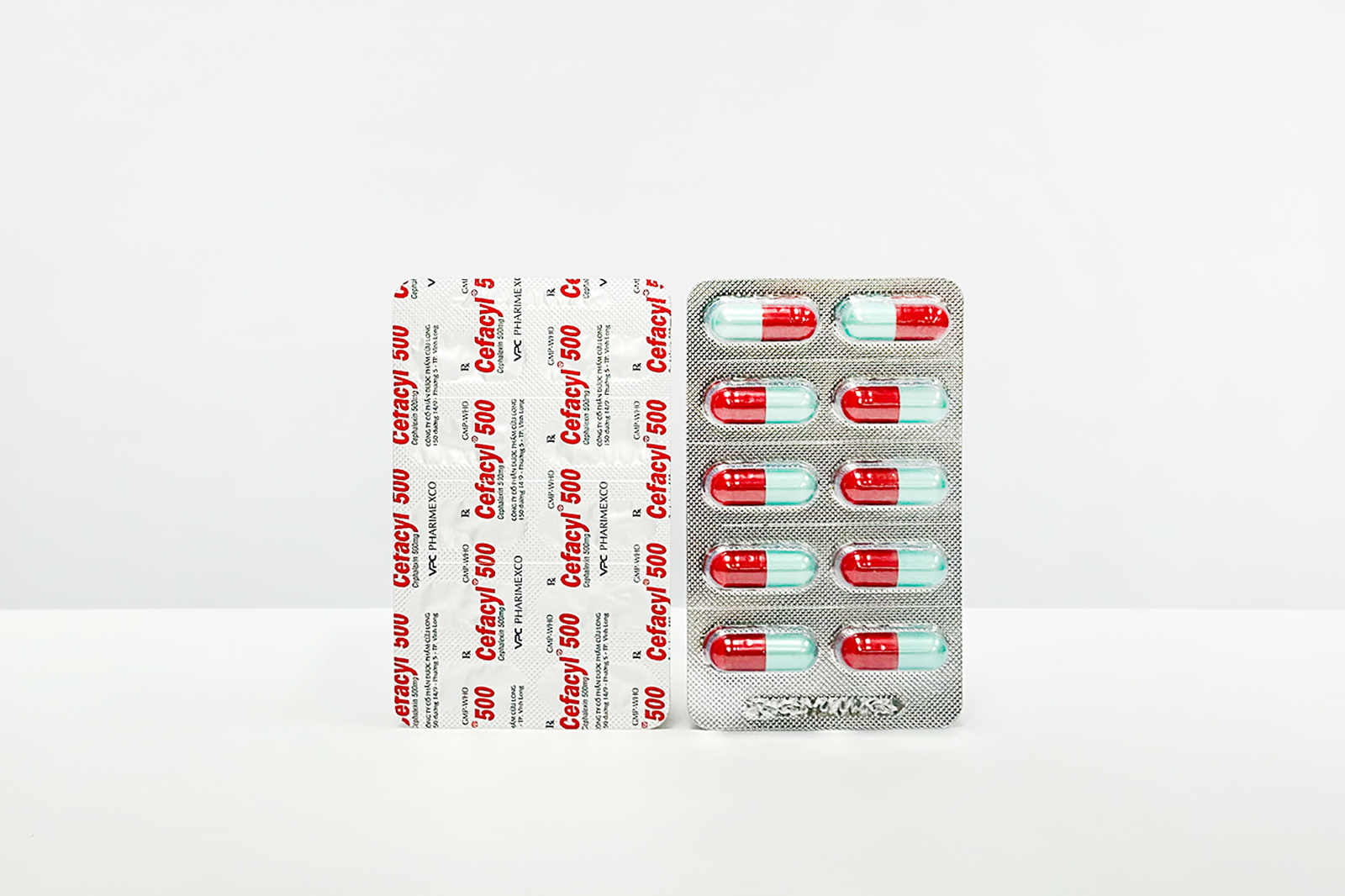
- Indications & Usage:
- Cephalexin is indicated for the treatment of infections caused by susceptible bacteria, but it is not indicated for the treatment of severe infections.
- Respiratory tract infections: Acute and chronic bronchitis and infected bronchiectasis.
- Ear, nose, and throat infections: Otitis media, mastoiditis, sinusitis, tonsillitis, and pharyngitis.
- Urinary tract infections: Cystitis and prostatitis.
- Prophylactic treatment for recurrent urinary tract infections.
- Obstetrical and gynecological infections.
- Skin, soft tissue, and bone infections.
- Gonorrhea (when penicillin is not suitable).
- Dental infections.
- Prophylactic treatment for heart patients undergoing dental procedures in place of penicillin.
- Cephalexin is indicated for the treatment of infections caused by susceptible bacteria, but it is not indicated for the treatment of severe infections.
- Dosage & Administration:
- Should be taken before meals.
- Usual dose for adults: 250-500 mg every 6 hours, depending on the severity of the infection. The dose can be increased up to 4g/day.
- Children: The usual dose is 25-60 mg/kg of body weight per 24 hours, divided into 2-3 doses.
- In cases of severe infection, the maximum dose is 100 mg/kg of body weight per 24 hours.
- Contraindications:
- Cephalexin should not be used in patients with a history of allergy to the cephalosporin group of antibiotics.
- Cephalosporins should not be used in patients with a history of anaphylactic shock from penicillin or other serious IgE-mediated reactions.
- Storage & Quality:
- Storage: Store in a cool, dry place at a temperature below 30°C, away from light.
- Shelf Life: 36 months from the manufacturing date.
- Quality Standard: Manufacturer’s Standard